A bitter dispute over repairs to the Druzhba oil pipeline has blocked a vital €90bn EU loan to Kyiv.
The row pits Hungary and Slovakia against Ukraine after a Russian strike damaged the Brody pumping station on 27 January and stopped all flows.
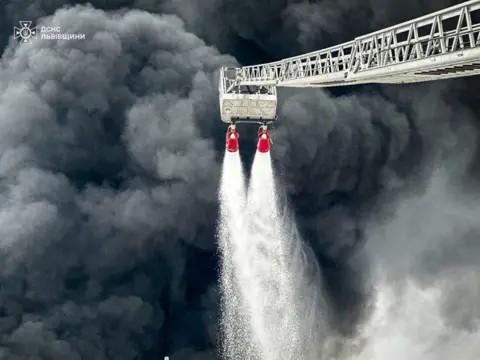
Satellite images and local reporting show a giant storage tank at Brody — one of Ukraine’s largest — burned for days after the attack.
Engineers warn the intense heat may have damaged pumps, sensors and other internal equipment, not just the tank itself.
Kyiv says fixing the site will take several weeks and that wartime conditions and limited resources are slowing work.
President Volodymyr Zelensky has also questioned restoring a conduit for Russian crude, complicating the decision to restart the line.
Brussels has offered technical help and funding, and European experts are ready to assist, the European Commission says.
Ukraine has accepted the offer, but talks with Budapest remain fraught and no restart date has been agreed.
Hungary denies the pipeline itself was hit and accuses Kyiv of dragging its feet for political reasons.
Prime Minister Viktor Orbán’s government has been openly closer to Moscow and has used hostility to Kyiv as part of its election messaging.
Hungary’s energy company MOL says it safely took 35,000 tonnes of crude from the Brody tank and commissioned a report suggesting pumping would not harm the buried pipeline.
Independent analysts and some engineers, however, caution that internal safety systems were likely affected and need thorough inspection or replacement before normal operation can resume.
Nightly air raids and a shortage of specialists make repairs harder for Ukrainian crews, who often can only work in daylight.
Those constraints help explain Kyiv’s estimate of several more weeks to restore safe flow.
Meanwhile, Hungary has begun importing seaborne Brent via the Adria route from suppliers including Norway, Saudi Arabia and Libya.
But its refineries were built for Russian grades, and adapting them to lower-sulphur crude poses technical challenges.
The impasse highlights how energy links and political disagreements can hinder EU decision-making.
With billions in aid at stake, resolving the mix of technical, security and political issues quickly will be essential for both Kyiv’s finances and regional fuel stability.