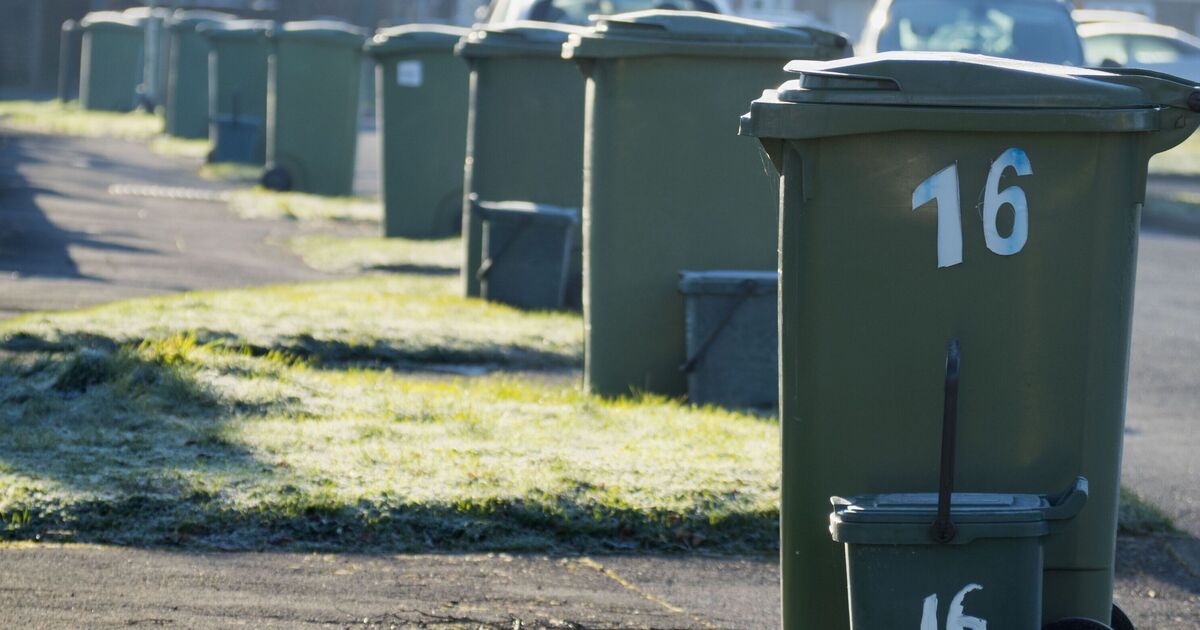

Homes throughout England are bracing for alterations to their bin collections from next month as the Government rolls out fresh recycling regulations aimed at streamlining waste management. The changes form part of a broader initiative to assist residents in organising their rubbish more effectively and gaining clearer understanding of recyclable materials.
Currently, individual local authorities operate their own arrangements for waste and recycling services, frequently resulting in households navigating varying requirements based on their location. The Government anticipates the revised approach will deliver uniformity nationwide and boost the volume of waste successfully recycled.
The incoming "Simpler Recycling" regulations, taking effect from March 31, will mandate all local authorities in England to separately gather four distinct waste categories. Practically, this translates to households maintaining four separate bins or receptacles for different rubbish types, though certain areas may already have such systems established.
Waste collection services will be obligated to gather food and garden waste, paper and card, additional dry recyclable items including glass and plastic, and non-recyclable waste incapable of processing which will instead be directed to landfill or utilised for energy generation. These separate collections must be provided to all households, including those residing in flats and apartment buildings, ensuring the rules apply universally regardless of housing type.
Whilst the change will impact councils across England, not every household will witness dramatic differences immediately. Some local authorities already operate recycling systems that are largely in line with the new requirements, meaning residents in those areas may observe little change.
However, for many others it could mean the introduction of new bins or alterations to existing collection schedules as councils adapt to the revised rules.
The government states the aim of the reforms is to eliminate the confusion many households encounter when attempting to recycle. By establishing a more standardised approach nationwide, it hopes residents will find it easier to segregate their waste correctly and recycle more of the materials they use daily.
Steve Cole, managing director of municipal services at waste management company Biffa, said the changes should help tackle the long-standing confusion surrounding recycling collections.
He stated: "For too long, households have grappled with a muddled and confusing patchwork of approaches to their bin collections. Simpler Recycling will make recycling easier and more consistent by ensuring everyone can recycle the same materials, no matter where they live."
The reforms are also designed to bolster the UK's broader environmental objectives by minimising the volume of rubbish sent to landfill and enhancing the overall efficiency of the recycling system. Motivating households to segregate their waste more distinctly is viewed as a crucial move in ensuring recyclable materials can be appropriately processed and reused instead of being discarded.
Additional alterations are also scheduled for the subsequent year. From March 2027, waste collectors will be obliged to gather plastic film packaging and plastic bags as part of household recycling collections.
These materials are currently challenging to recycle through most kerbside systems and are typically only accepted at supermarket collection points, resulting in many ending up in general waste.
Incorporating plastic film and bags into standard household recycling collections is anticipated to significantly simplify the process for residents to recycle these materials and could aid in reducing the quantity of plastic waste entering landfill or the wider environment.