
As I order a cortado in a coffee shop in Northwood HQ, it is hard to believe that I am stood metres away from the epicentre of the UK’s response to the war in Iran. All about me, members of the military come in and out as if it was their local Costa Coffee, as they take a break from playing their part in planning operations across the globe.
It is easy as a journalist to be ‘Mr Hindsight’ - the person who questions ministers armed with the facts in retrospect that those in power were without when they made crucial decisions. Having worked in military planning circles for eight years, I am conscious to always remember the strain of taking decisions that put soldiers in danger and the reality of never really having enough capability to cover all threats. But even in that knowledge, so much of the government's preparation for a potential war in Iran continues to astound me and a morning spent with the Defence Secretary has done little to change that.
The failure to deploy a frigate to the region in advance and the six days taken to prepare HMS Dragon to set sail has been roundly criticised by me and others.
Western officials paint a picture of a military trying to cover a wide range of threats with a limited amount of capability. Yet the explanation that the vessel was not deployed due to the potential threat in the north Atlantic seems fragile.
That is not to say that the threat from Russia to our north doesn’t exist but to simply point out that Donald Trump’s previous military actions against Iran and the likeliness that Tehran would in turn attack British assets in the region was surely a more immediate threat to the lives of British soldiers and nationals?
The strangulation of global oil supplies by closing the Strait of Hormuz was also highly predictable if not inevitable, with the country believed to have mined the waters to disrupt shipping.
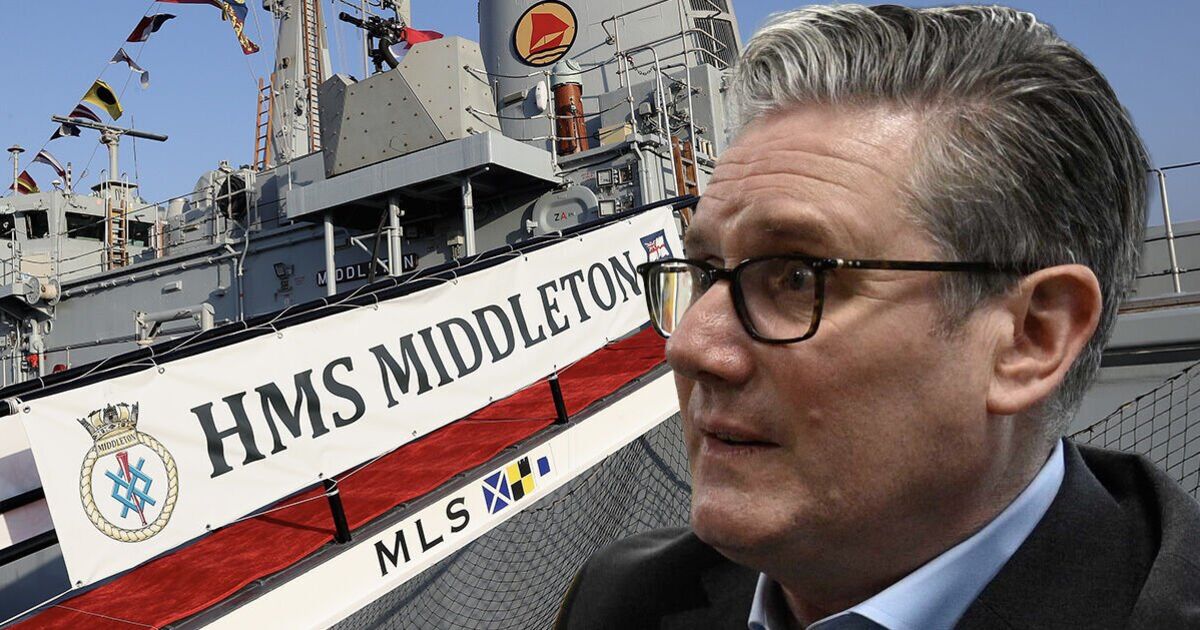
It therefore makes the decision to bring the UK’s only minehunter in the Gulf, HMS Middleton, back to Portsmouth days before military action commenced, perplexing. What were they thinking?
Defence Secretary John Healey pointed to routine maintenance as the rationale for its withdrawal for the Middle East but does he really expect that explanation to wash?
Routine maintenance can be delayed, especially when it is the only capability in the region capable of pushing back against Iran’s attempts to starve the world of oil.
Maintenance could have been done in the Gulf if it was time critical and when I asked the Defence Secretary what the plan had been to counter the use of mines in the area in place of HMS Middleton, he point blank refused to answer my question.
Sources close to Mr Healey suggest that mine hunting is being performed by unmanned systems which is perhaps the future of such a role but something still very much in its infancy.
The reality is that the failure to plan properly for the prospect of war in Iran has caused the Royal Navy and other military assets to scramble around in response and was utterly avoidable.
Conor Wilson is a defence reporter who served for eight years in the British Army, reaching the rank of Captain.