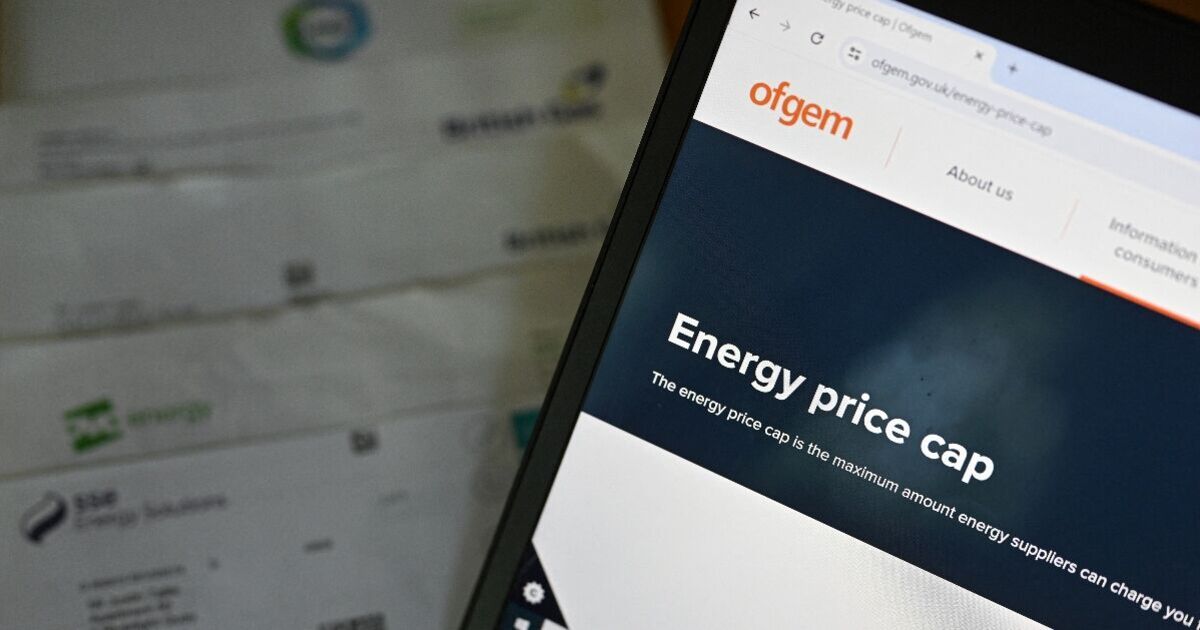

Energy bills are set to fall by 7% when the price cap is next updated in April thanks to Government measures announced in the recent budget, experts said. Cornwall Insight predicts Ofgem will reduce its energy price cap by £117 to £1,641 a year for a typical dual fuel household from April 1.
The drop is slightly lower than its previous prediction for an 8%, or £138, reduction. Ofgem is due to announce its next price cap level by February 25 for the three months from April 1 to June 30. Chancellor Rachel Reeves said last November that £150 would be cut from the average household bill from April by scrapping the Energy Company Obligation (Eco) scheme introduced by the last government.
Cornwall Insight said the changes would reduce the cap by about £145 a year once VAT and pricing allowances within the cap methodology are accounted for.
It added increases in charges associated with the operation and maintenance of Britain's energy networks have offset part of these savings.
Cornwall Insight said wholesale prices have risen slightly since its last forecast in December, with the cost of gas particularly volatile due to "geopolitical factors".
However they said wholesale costs are still lower than when Ofgem set the January cap level and they expect the cap to remain "relatively steady" throughout 2026, "with only a small rise forecast in July".
Craig Lowrey, Principal Consultant at Cornwall Insight, said: "Any reduction in bills is positive, easing pressure at a time when affordability really matters.
"It's the drop in policy costs, as a result of Government interventions, that is doing most of the heavy lifting and, while wholesale costs have come back into the headlines in recent weeks, the impact on April's bills is minimal."
Ensure our latest personal finance headlines always appear at the top of your Google Search by making us a Preferred Source. Click here to activate or add us as Preferred Source in your Google search settings.
He stressed it "won't be easy" to keep bills down due to the investment needed to boost the UK's energy networks and infrastructure on top of reducing reliance on imported gas. Mr Lowrey said: "The real test will be keeping those savings going."
The consultant added: "Investment is needed if we want an energy system that is more secure and resilient, after the consequences of exposure to global energy markets were made all too apparent in recent years.
"However, there needs to be an open conversation about the fact that such a transition will not be cost free."