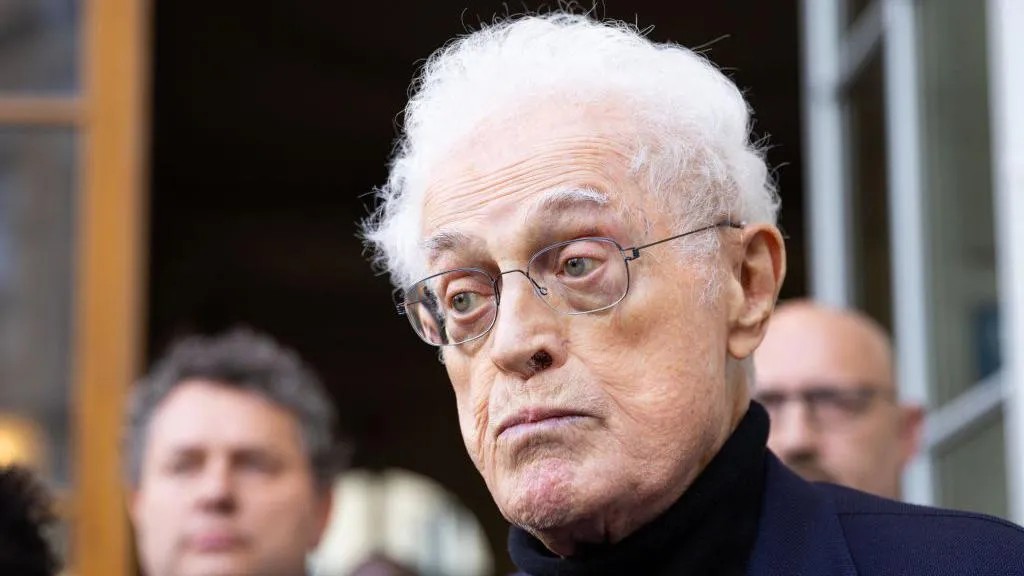
Lionel Jospin, a leading figure of France's Socialist movement who served as prime minister during the late 1990s, has died at the age of 88.
He was widely known for reshaping parts of French social policy and for his dramatic exit from politics after the 2002 presidential election.
Jospin led a left-wing government in cohabitation with President Jacques Chirac from 1997 to 2002.
He had been a presidential contender twice: he lost to Chirac in 1995, and in 2002 he was unexpectedly eliminated in the first round when far-right leader Jean-Marie Le Pen advanced instead, prompting Jospin to retire immediately.
His government forged alliances with Communists and Greens and pushed through major measures, most famously a 35-hour working week still in place today.
Jospin also introduced the civil partnership (PACS) for same-sex couples, a step that paved the way toward later recognition of marriage equality.
At the same time, he angered some on the left by continuing privatizations launched by previous administrations.
He argued that the state could not provide everything and favored pragmatic reforms, a stance that left him open to criticism from party hardliners.
Born in Meudon in 1937, Jospin came from a family active in Socialist politics.
Raised Protestant, he abandoned religious practice in his teens and was educated in Paris, eventually graduating from the elite ENA school that trains France's civil servants.
In the 1960s he joined the Trotskyist Communist Internationalist Organisation, a group known for placing members inside mainstream institutions; that past was kept quiet until later and Jospin acknowledged it only years after rising to national prominence.
The same network had recruited figures who would later reappear in French politics.
He joined the Socialist Party in the early 1970s as François Mitterrand rebuilt the left.
Mitterrand helped advance Jospin's career, and he became party secretary and entered the National Assembly in 1981.
He served as education minister in the late 1980s but fell out of favor and returned to a higher profile in the 1990s.
Respected for his integrity and bureaucratic skill, Jospin cultivated a reputation as a sober, technocratic leader.
He was married to philosopher Sylviane Agacinski, who survives him, and maintained relatively strong approval ratings during his time in office.
Political leaders paid tribute after his death.
President Emmanuel Macron highlighted Jospin's discipline, bravery and commitment to republican values, while former president François Hollande called him one of the left's most important figures.
Public reflections have focused on both his policy achievements and the surprising end to his electoral career.
Jospin's legacy is mixed: remembered for significant social reforms and steady governance, his abrupt departure from politics after 2002 remains one of modern France's most striking political moments.