Islanders are up in arms after Rome ordered hundreds of high-security mafia prisoners to be moved to Sardinian jails.
The measure, part of a wider plan to concentrate 750 of Italy’s most dangerous offenders in a small number of facilities, has sparked widespread protests.
Under the proposal, roughly a third of those inmates would be transferred to three prisons on the island, including one in the regional capital Cagliari.
Residents fear the move could change Sardinia’s character and strain local communities.
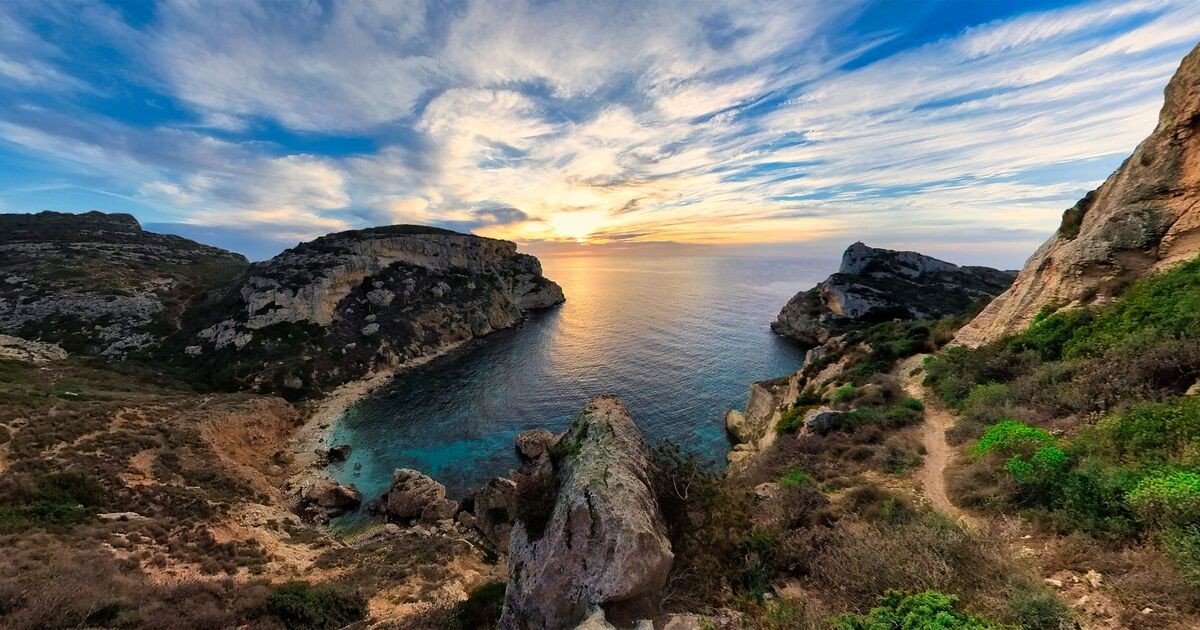
Sardinia is a major tourist magnet — welcoming a record 4.5 million visitors in 2024 — and many locals worry the association with organised crime could damage the island’s reputation.
Politicians and business owners are warning that tourism-dependent areas could suffer if the island gains a reputation as a penal stronghold.
Regional governor Alessandra Todde has led street demonstrations, arguing Sardinia should not be turned into a dumping ground for the nation’s most dangerous criminals.
She and other local leaders say the distribution is unfair and could have long-term social consequences.
Opposition lawmaker Silvio Lai warned that putting top-level mafia figures near economically fragile communities risks letting criminal networks take root.
He pointed to towns like Nuoro, which sit only an hour from the glamorous Costa Smeralda, as particularly vulnerable to infiltration.
The head of the sentence enforcement tribunal in Cagliari added that once organised crime establishes a foothold, removing it would be extremely difficult.
Officials expressed fear that inmates’ relatives or associates might relocate to the island and recruit from among low-paid or unemployed residents.
The centre-right government argues the transfers will improve overall security by isolating the most dangerous prisoners in specialist facilities.
Justice undersecretary Andrea Demmastro Delle Vedove has maintained that concentrating high-risk inmates and deploying specialised prison units will make individual jails safer.
Despite assurances from Rome, protests in Cagliari and other towns have continued as islanders demand alternatives or guarantees.
The standoff highlights a deeper clash between national security planning and local concerns about safety, economy and community cohesion.
For now, the plan remains contested and the debate is heating up, with both sides insisting they are defending the public interest.
The outcome will shape not just Sardinia’s prisons but the island’s social and economic future.